Seasoning Oils Compared
Disclosure: This page contains affiliate links. If you buy through them we may earn a commission at no extra cost to you. As an Amazon Associate I earn from qualifying purchases. Details.
Lodge's own explanation is that seasoning is oil baked onto the pan until it polymerizes into a hard, slick layer. Any oil that does that well works, and manufacturers' choices are refreshingly ordinary.
What the makers use and recommend
| Source | Oil |
|---|---|
| Lodge factory seasoning | Soy-based vegetable oil |
| Lodge test kitchen (for reseasoning) | Vegetable oil, melted shortening, or canola |
| Smithey factory seasoning | Grapeseed oil |
| Field factory seasoning | "Organic oil" (several coats) |
How to choose
- High smoke point. Lodge's one rule for reseasoning oil.
- Something you already have. Vegetable or canola oil is fine.
- Dietary needs. Lodge notes you can use any high-smoke-point oil if you'd rather avoid soy.
Why amount beats type
Most seasoning failures (sticky spots, flaking) come from oil applied too thickly. Wipe on, then wipe off, and bake upside down. Full method: restoring and reseasoning.
Do you need a product?
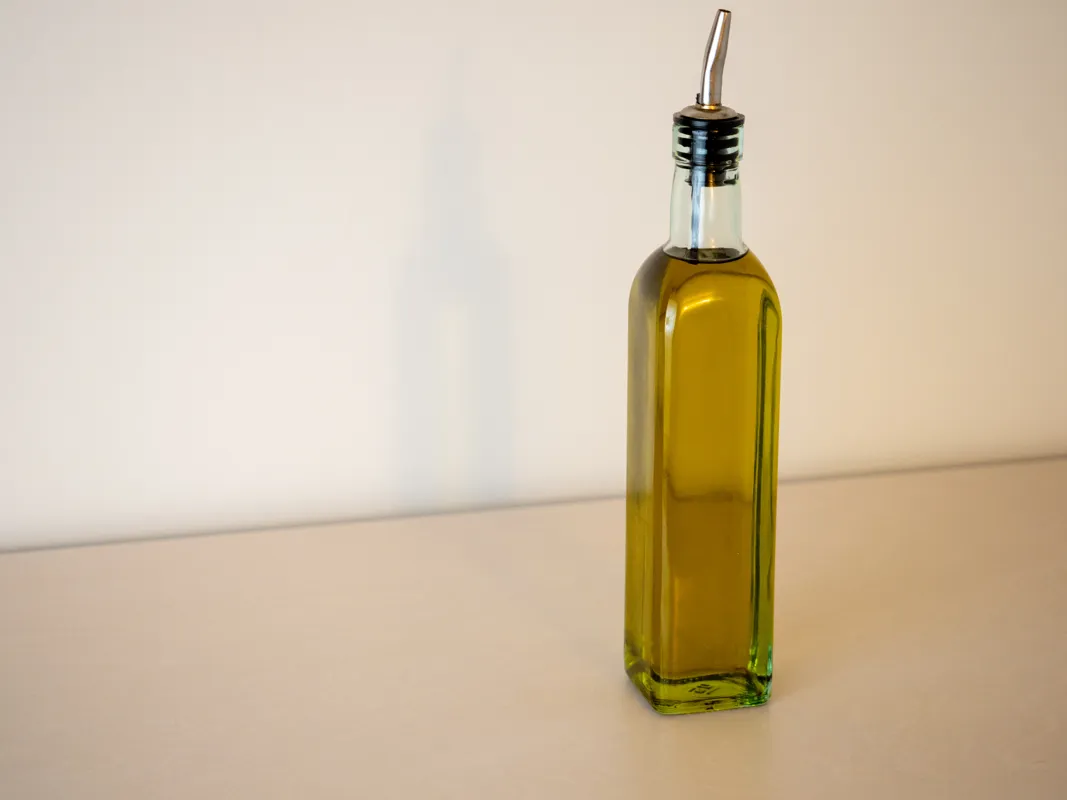
Not really, but a spray or a dedicated seasoning oil → Amazon makes a thin, even coat easier and is a nice add-on to a gift skillet.
What we couldn't verify
Online forums often rank oils (flaxseed, specific blends) as "the best." We found no manufacturer guidance backing a single best oil, so we don't claim one.
Cooking oil vs. seasoning oil
There are two different jobs here:
- Cooking: Lodge says to choose whatever oil suits the recipe. Every time you cook with oil or fat, you add a little seasoning.
- Reseasoning in the oven: Lodge's rule is a high smoke point. Its test kitchen likes vegetable oil, melted shortening, or canola.
You don't need a separate "seasoning oil" for everyday cooking.
The oven method in brief (Lodge)
- Wash with warm, soapy water and dry completely.
- Apply a very thin layer of oil to the whole pan, inside and out.
- Preheat the oven to 450-500°F, with foil on the bottom rack.
- Bake the pan upside down on the center rack for 1 hour.
- Turn off the oven and let the pan cool inside.
Full troubleshooting is in our restoration guide.
Signs you used too much oil
- Sticky or tacky surface after baking
- Drips or beads on the cooking surface
- Blotchy brown spots
The fix is another bake upside down, and less oil next time. Wipe it on, then wipe it off as if you're trying to remove it all.
Common questions
Can I use olive oil? Lodge's guidance is simply to use a high smoke point oil for reseasoning. Check the smoke point of the oil you have.
Can I use butter? Butter is fine for cooking. For oven reseasoning, it doesn't fit Lodge's high-smoke-point guidance.
What about lard or bacon fat? Many people cook with them, and cooking with fat builds seasoning (Lodge). For oven reseasoning, Lodge's test kitchen suggests vegetable oil, shortening, or canola.
Allergies or avoiding soy? Lodge says its factory seasoning oil is refined to the point that allergy-causing proteins aren't detectable, and that you can choose any high-smoke-point oil at home.
Flaking seasoning
Lodge says flakes can come off when layers haven't fully bonded. Scrub with a nylon brush or salt, rinse, dry, and oil. If it continues, reseason in the oven.
FAQ
What oil does Lodge recommend for seasoning?
Lodge says to use an oil with a high smoke point and that its test kitchen likes vegetable oil, melted shortening, or canola oil. Lodge seasons its own pans with soy-based vegetable oil.
Is flaxseed oil the best for seasoning?
None of the three manufacturers we checked recommend flaxseed specifically. We can't verify claims that it's best, so we don't recommend it over ordinary high-smoke-point oils.
Do I need a special seasoning product?
No. Branded sprays and waxes are convenient, but manufacturer guidance centers on plain cooking oil applied thinly.
Related guides
- How to Restore a Rusty Cast Iron Skillet (Step by Step)
- Cast Iron Skillet Buying Guide: Size, Weight, and Finish
- Carbon Steel vs. Cast Iron: Which Pan Should You Buy?